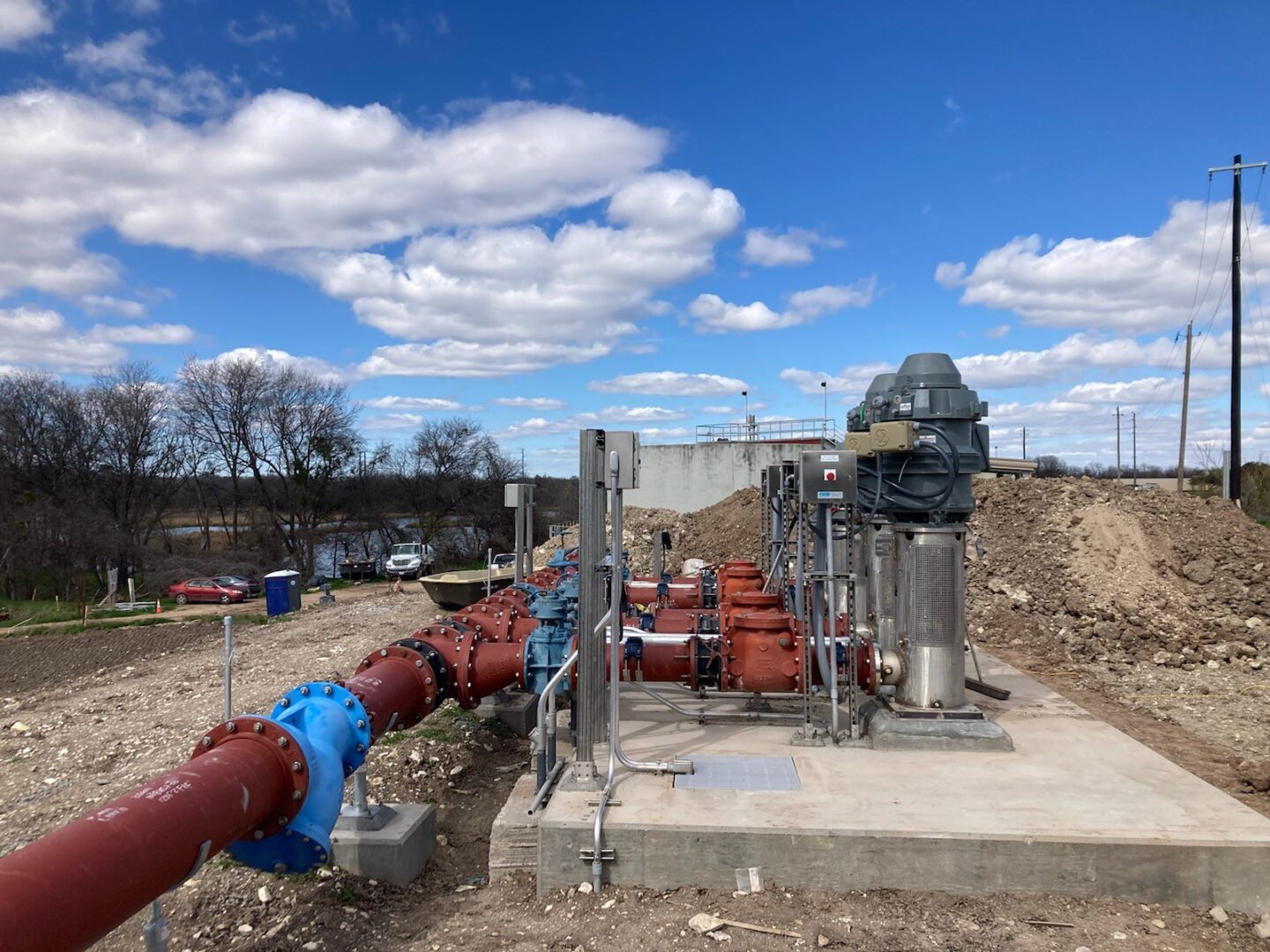
In the world of heavy civil construction, we often focus on the visible: the soaring bridges, the sprawling highways, and the massive dams. But some of the most critical engineering feats happen largely out of sight.
Wastewater treatment plant systems are a primary defense against public health concerns and for environmental sustainability. For a heavy civil firm, constructing these facilities is a high-stakes commitment to the future of our water supply.
Why Wastewater Infrastructure is Non-Negotiable
Modern civilization depends on the often-invisible cycle of water. Without robust, high-capacity treatment plants, the urban environments we build would have to greatly adapt to how they use and reuse water. Here is why prioritizing these projects is essential:
· Public Health Protection: Without sophisticated treatment plants, waterborne diseases would be more common. These facilities act as a biological and chemical barrier, ensuring that the water returned to our rivers and lakes is safe.
· Environmental Stewardship: Untreated wastewater carries high levels of nitrogen and phosphorus. If released directly into nature, this leads to oxygen depletion in water bodies, destroying ecosystems and killing fish.
· Economic Resilience: Industries require massive amounts of water. Efficient wastewater treatment enables water reclamation, providing a steady supply for industrial cooling and irrigation and helping keep local economies thriving.
The Complexity of Building Today’s Treatment Plants
Constructing a wastewater facility isn’t like building a warehouse. It requires specialized engineering and heavy civil expertise to handle:
· Massive Concrete Structures: Primary and secondary clarifiers require precision pouring to ensure they are watertight and can withstand corrosive environments for decades.
· Advanced Filtration Systems: Modern plants are integrating Membrane Bioreactors (MBR) and UV disinfection stages, requiring complex electrical and mechanical integration.
· Futureproofing for Growth: As populations rise, plants must be designed for scalability. We must build with the coming decades in mind, ensuring the infrastructure can handle increased peak flows during heavy storm events.
Challenges in the Modern Landscape
The industry is currently facing a perfect storm of aging infrastructure and stricter Environmental Protection Agency (EPA) regulations. Many existing facilities are reaching the end of their design life.
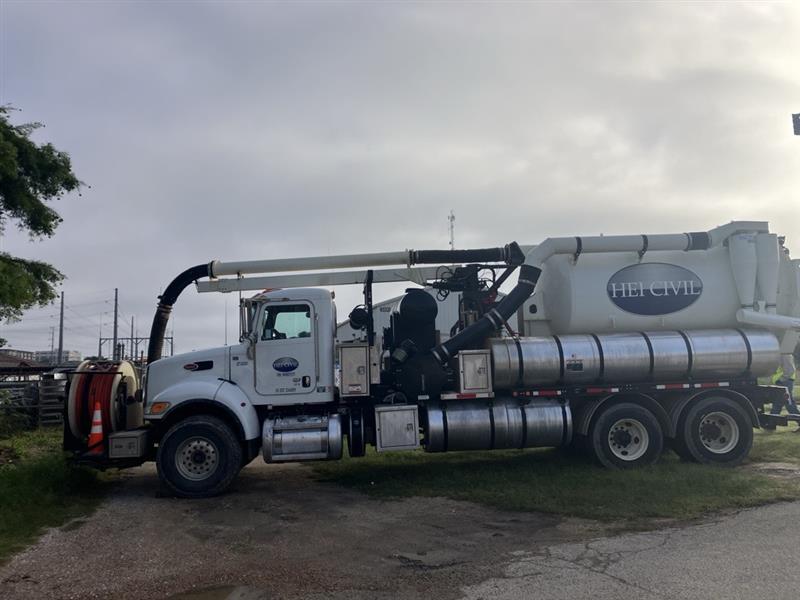
Upgrading an active wastewater treatment plant is like performing heart surgery while the patient is running a marathon. It requires meticulous bypass pumping and phased construction to ensure that community services are never interrupted.
Partnering for a Sustainable Future
At the intersection of heavy civil construction and environmental science, we find rewarding work. Building a treatment plant is an investment in the foundation of a community, clean water, clean air, and a healthy environment.
As we look toward 2026 and beyond, the focus is shifting toward Resource Recovery Centers. Facilities that don’t just treat waste, but harvest energy and nutrients from it.
At HEI Civil, we deliver high-quality water treatment plants to Texas communities, with current and future growth needs in mind.