The construction industry has long been defined by skilled hands and powerful machinery. While that foundation remains, a new layer of innovation is revolutionizing how projects are planned, managed, and executed. Business Intelligence (BI) is transforming the construction landscape, moving it from reliance on experience alone to a future powered by data-driven decisions. By harnessing the power of information, construction firms are building safer, more efficient, and more predictable futures.
This guide will explore how BI reporting is reshaping the industry. We will look into how this powerful construction technology provides real-time insights that lead to better safety outcomes, streamlined operations, and smarter strategies.
What is Business Intelligence in Construction?
Business Intelligence refers to the technologies, applications, and practices for collecting, integrating, analyzing, and presenting business information. In construction, this means taking the vast amounts of data generated every day—from project timelines and budget reports to equipment usage and safety logs—and turning it into actionable insights.
Instead of sifting through disconnected spreadsheets or paper reports, construction leaders can use BI dashboards to see a clear, unified view of their operations. This allows for quicker, more accurate decision-making that can prevent problems before they arise, optimize resources, and improve project outcomes. It is a fundamental shift toward proactive management.
Enhancing Construction Safety with Data
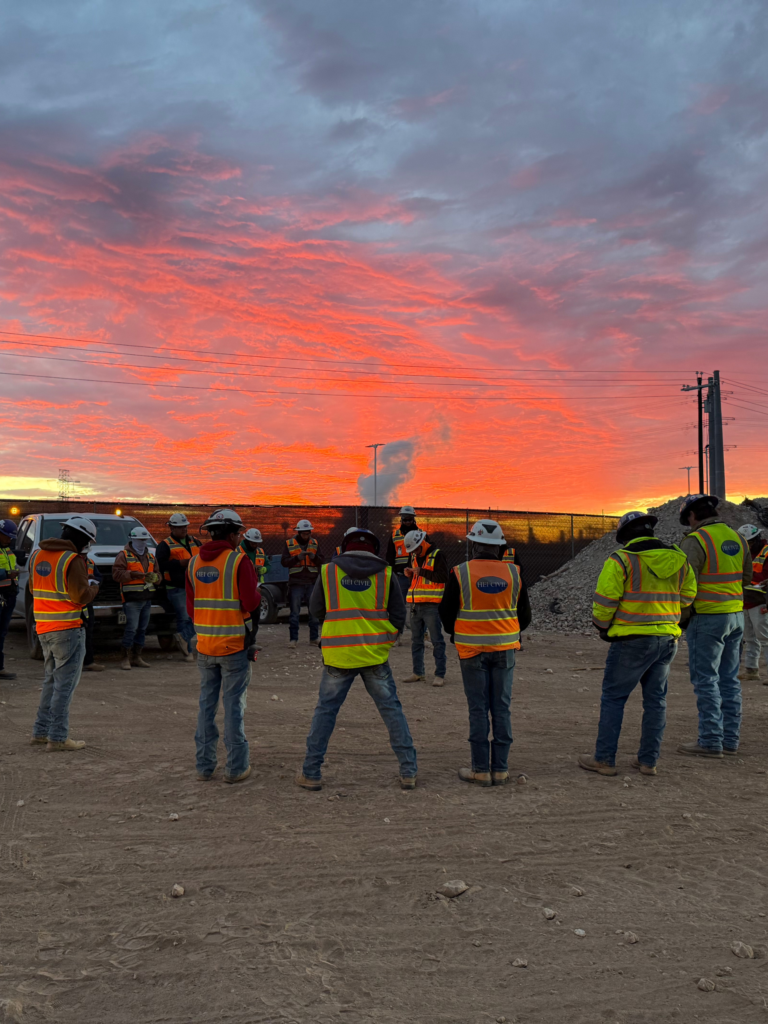
Safety is a core value on any job site, and BI tools are becoming essential for creating safer work environments. Traditional safety programs often rely on reactive measures, addressing issues only after an incident occurs. BI, however, allows for a proactive approach to construction safety.
By analyzing historical data and real-time information, firms can identify trends and predict potential hazards. For example, a BI system might correlate specific tasks, times of day, or weather conditions with a higher rate of minor incidents. This insight allows managers to implement targeted safety training or adjust work schedules to mitigate risks. Dashboards can track safety compliance, monitor the use of personal protective equipment (PPE), and flag leading indicators of potential safety issues, empowering teams to address concerns before they lead to an accident.
Driving Operational Efficiency Through Real-Time Insights
In construction, delays and inefficiencies can have a significant impact on budgets and timelines. BI reporting provides the real-time insights needed to keep projects on track and running smoothly. Managers no longer have to wait for weekly or monthly reports to understand project status. With live dashboards, they can monitor progress against schedules, track resource allocation, and manage budgets in the moment.
This level of visibility allows for immediate adjustments. If a project phase is falling behind, managers can identify the bottleneck and reallocate resources to get back on schedule. If material costs are rising, teams can adjust their procurement strategy before the budget is compromised. This capability to make informed, on-the-fly decisions is a key driver of operational efficiency, turning potential setbacks into manageable challenges.
The Power of Predictive Analytics in Planning
One of the most transformative aspects of BI is predictive analytics. By analyzing historical project data, BI tools can forecast future outcomes with a surprising degree of accuracy. This helps construction firms move beyond reactive problem-solving to strategic, forward-thinking planning.
For instance, predictive models can help anticipate potential equipment failures by analyzing maintenance logs and usage data, allowing for preventive maintenance that avoids costly downtime. Similarly, analytics can forecast project timelines more accurately by considering variables like weather patterns, supply chain reliability, and crew productivity. This foresight allows for better resource planning, more competitive bidding, and greater certainty in project delivery, giving companies a significant strategic advantage.
Making Confident, Data-Driven Decisions
Ultimately, the greatest benefit of implementing construction technology like BI is the ability to make confident, data-driven decisions. Intuition and experience will always be valuable in the construction industry, but when combined with objective data, they become even more powerful.
Whether deciding on a bid for a new project, allocating a multi-million-dollar budget, or developing a new safety protocol, BI provides the factual foundation needed to act with confidence. It replaces guesswork with evidence, allowing leaders at all levels to understand the potential impact of their choices. This fosters a culture of accountability and continuous improvement, where every decision is an opportunity to learn and optimize for the future.
Embracing the Future of Construction
The integration of Business Intelligence is more than just a technological upgrade; it represents a cultural shift in the construction industry. It empowers teams with the knowledge to work safer, the tools to work smarter, and the insights to build with greater precision and confidence.
of professionals involved in heavy civil construction projects is essential for success.